

Call us now
08045804537

 Send Inquiry
CYCLOPENTASILOXANE CHEMICAL
Price 826 INR/ Kilograms
MOQ : 25 Kilograms
CYCLOPENTASILOXANE CHEMICAL Specification
- Taste
- Odorless
- Storage
- Store in a cool, dry place, tightly closed in original container
- Smell
- Odorless
- Usage
- As a volatile carrier, emollient, and solvent in cosmetic and personal care formulations
- Shape
- Liquid
- Shelf Life
- 2 years
- Product Type
- Silicone Chemical
- Density
- 0.963 Gram per cubic centimeter(g/cm3)
- Molecular Weight
- 370.77 g/mol
- HS Code
- 29310090
- Application
- Personal care products, cosmetics, hair conditioners, antiperspirants, skin care formulations
- EINECS No
- 208-764-9
- Appearance
- Clear, colorless liquid
- Melting Point
- -42C
- Grade
- Industrial Grade
- Ph Level
- Neutral
- Poisonous
- NO
- Molecular Formula
- C10H30O5Si5
- CAS No
- 541-02-6
- Purity
- 99%
- Properties
- Volatile, clear, odorless, non-greasy, low viscosity silicone fluid
- Ingredients
- Cyclopentasiloxane (D5)
- Physical Form
- Liquid
- Structural Formula
- (C2H6OSi)5
- Solubility
- Insoluble in water, soluble in alcohols and organic solvents
- Refractive Rate
- 1.396-1.398
- Compatibility
- Compatible with most cosmetic ingredients
- Boiling Point
- 210°C
- Flash Point
- >75°C (closed cup)
- Environmental Impact
- Readily biodegradable under certain environmental conditions
- Viscosity
- 2.5 cSt at 25°C
- Packaging Type
- HDPE drums or IBCs
- Transportation
- Non-hazardous material
- Vapor Pressure
- 0.49 mmHg at 25°C
- Stability
- Stable under normal storage and handling conditions
About CYCLOPENTASILOXANE CHEMICAL
Cyclopentasiloxane (CPS) is a synthetic, silicone-based compound used in various personal care and cosmetic products, such as:
1. Hair care: conditioners, serums, and styling products
2. Skin care: moisturizers, creams, and lotions
3. Makeup: foundation, primer, and eyeshadow
Description:
- Appearance: Clear, colorless liquid
- Odor: Mild, characteristic odor
- Solubility: Soluble in oils and silicones, insoluble in water
- Chemical formula: C5H10O2Si
Properties:
- Lightweight, non-greasy texture
- Emollient and moisturizing properties
- Improves skin and hair feel
- Enhances spreadability and absorption
- Volatile, evaporates quickly
Uses:
- Conditions and smooths hair
- Hydrates and softens skin
- Improves makeup application and wear
- Reduces appearance of fine lines and wrinkles
Safety:
- Generally considered safe for use in cosmetics
- May cause skin irritation or allergic reactions in some individuals
- Not expected to be toxic or carcinogenic
Note: Cyclopentasiloxane is often used in combination with other silicones, such as dimethicone, to enhance its benefits. If you have specific questions or concerns, feel free to ask!
Versatile Applications in Personal Care
Cyclopentasiloxane is a key ingredient in a broad spectrum of personal care products, including skin creams, hair conditioners, and antiperspirants. Its volatile, non-greasy texture allows for easy application and a smooth, lightweight feel on the skin and hair. This makes it an indispensable solvent and carrier for delivery of active ingredients in cosmetic formulas.
Safe and Stable Handling
This chemical is stable under everyday storage and handling conditions, posing no significant hazard during transportation or application. Store Cyclopentasiloxane in tightly sealed original containers, away from heat and moisture. Its non-hazardous classification simplifies both logistics and workplace safety requirements.
Environmental Compatibility and Quality Assurance
Cyclopentasiloxane is readily biodegradable in certain environmental conditions. Its high purity (99%) and industrial-grade quality ensure optimal performance while aligning with modern safety and environmental standards. Available in HDPE drums or IBCs, it offers practical packaging for manufacturers and distributors alike.
FAQ's of CYCLOPENTASILOXANE CHEMICAL:
Q: How is Cyclopentasiloxane commonly used in cosmetic and personal care formulations?
A: Cyclopentasiloxane serves as a volatile carrier, emollient, and solvent in products such as hair conditioners, skin creams, and antiperspirants. Its low viscosity and smooth texture enhance product application, delivering a lightweight feel without greasiness.Q: What are the storage recommendations and shelf life for Cyclopentasiloxane?
A: Store Cyclopentasiloxane in a cool, dry place, tightly closed in its original HDPE drum or IBC packaging. Under proper storage conditions, it remains stable and effective for up to 2 years.Q: When should manufacturers use Cyclopentasiloxane in their formulations?
A: Manufacturers should use Cyclopentasiloxane when a non-greasy, fast-evaporating carrier or emollient is needed, particularly in leave-on products for skin and hair. Its compatibility with most cosmetic ingredients makes it suitable for a variety of applications.Q: Where can Cyclopentasiloxane be sourced or purchased from in India?
A: Cyclopentasiloxane is available through multiple dealers, distributors, manufacturers, suppliers, and traders across India, ensuring reliable and extensive supply for industrial and commercial use.Q: What benefits does Cyclopentasiloxane offer in cosmetic production?
A: This ingredient provides rapid evaporation, a silky after-feel, and excellent spreading properties. It acts as an effective solvent for active components, enhancing the performance and sensory attributes of finished cosmetic products.Q: Is Cyclopentasiloxane safe for the environment and transportation?
A: Cyclopentasiloxane is considered non-hazardous for transportation and is readily biodegradable under some environmental conditions, making it a safer choice for both logistics and sustainability-focused operations.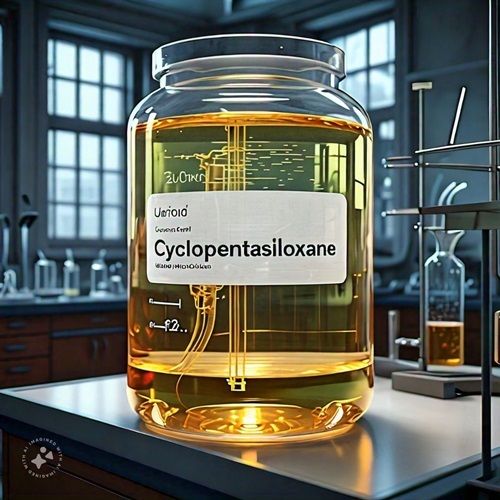
Tell us about your requirement

Price:
Quantity
Select Unit
- 50
- 100
- 200
- 250
- 500
- 1000+
Additional detail
Mobile number
Email

More Products in Industrial Chemicals Category
Lactic Acid
Price 245.0 INR / Liter
Minimum Order Quantity : 25 Liters
Grade : Food Grade
Physical Form : Liquid
Product Type : Organic Acid
Application : Other , Food, beverage, cosmetic, pharmaceutical, chemical, and industrial applications

Alpha Olefin Sulphonate Powder (Aos)
Price 200 INR / Kilograms
Minimum Order Quantity : 30 Kilograms
Grade : Industrial Grade
Physical Form : Powder
Product Type : Alpha Olefin Sulphonate Powder
Application : Industrial
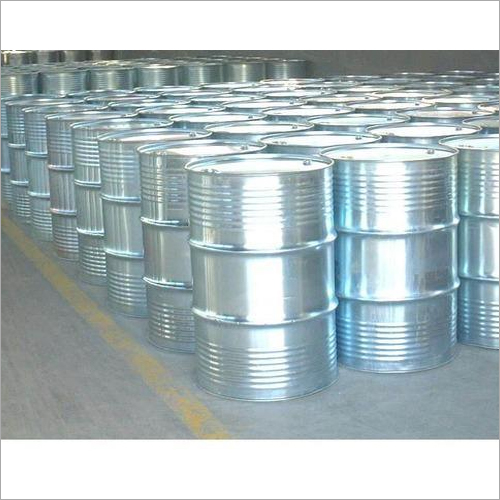
Propylene Glycol
Price 295 INR / Kilograms
Minimum Order Quantity : 50 Kilograms
Grade : Industrial Grade
Physical Form : Liquid
Product Type : Propylene Glycol
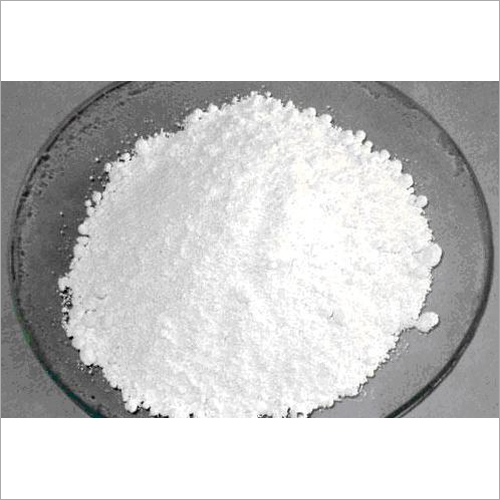
Titanium Powder
Price 295 INR / Kilograms
Minimum Order Quantity : 50 Kilograms
Grade : Technical Grade
Physical Form : Powder
Product Type : Titanium Powder
Application : Industrial

RAVI MARKETING
GST : 24AAIPZ4706C1ZR
GST : 24AAIPZ4706C1ZR
B No. 53, Girivar Glean Industrial Estate, Near-Palm Hotel, Odhav, Ring Road, Ahmedabad - 382415, Gujarat, India
Phone :08045804537

 Send Inquiry
 Send Inquiry
 Send SMS
RAVI MARKETING
All Rights Reserved.(Terms of Use)
Developed and Managed by Infocom Network Private Limited.
Developed and Managed by Infocom Network Private Limited.

