

Call us now
08045804537

 Send Inquiry
Lactic Acid
Price 245.0 INR/ Liter
MOQ : 25 Liters
Lactic Acid Specification
- Shape
- Liquid
- Taste
- Mildly acidic
- CAS No
- 50-21-5
- Solubility
- Miscible with water, alcohol, and ether
- Refractive Rate
- 1.430 1.435
- Physical Form
- Liquid
- EINECS No
- 200-018-0
- Application
- Food, beverage, cosmetic, pharmaceutical, chemical, and industrial applications
- Shelf Life
- 24 months
- Poisonous
- Non-poisonous
- Purity
- 88% Min
- Ph Level
- ~1.2 (1N solution)
- Molecular Weight
- 90.08 g/mol
- HS Code
- 29181100
- Structural Formula
- CH3CH(OH)COOH
- Storage
- Room Temperature
- Melting Point
- 16-17C
- Smell
- Slight Characteristic Odor
- Product Type
- Organic Acid
- Grade
- Food Grade
- Ingredients
- Lactic Acid
- Density
- 1.2 Gram per cubic centimeter(g/cm3)
- Appearance
- Clear to slightly yellow liquid
- Molecular Formula
- C3H6O3
- Properties
- Colorless to yellowish, hygroscopic, syrupy liquid
- Usage
- Used as acidulant, preservative, pH regulator, and flavoring agent
- Halal Certified
- Yes
- Kosher Certified
- Yes
- Environmental Impact
- Biodegradable, eco-friendly
- Packaging Type
- HDPE drums, IBC tanks
- Stability
- Stable under normal conditions
- Bio-based Content
- Produced from natural fermentation
- Allergen Status
- Allergen free
- Flash Point
- > 110C
- Boiling Point
- 122C (decomposes)
Lactic Acid Trade Information
- Minimum Order Quantity
- 25 Liters
- Payment Terms
- Cash Advance (CA)
- Supply Ability
- 2000 Liters Per Month
- Delivery Time
- 7 Days
- Sample Available
- No
- Main Domestic Market
- All India
About Lactic Acid
Heres a detailed description of Lactic Acid in cosmetics:
What is Lactic Acid?
Lactic Acid is an alpha-hydroxy acid (AHA) derived from milk or produced synthetically. Its a natural humectant, attracting and retaining moisture in the skin.
Benefits in Cosmetics:
1. Exfoliant: Gently removes dead skin cells, revealing brighter skin.
2. Hydrating: Attracts and retains moisture, leaving skin feeling soft and supple.
3. Brightening: Fades hyperpigmentation, age spots, and freckles.
4. Anti-aging: Stimulates collagen production, reducing fine lines and wrinkles.
5. Antibacterial: Soothes acne, reduces inflammation, and prevents future breakouts.
Cosmetic Uses:
1. Cleansers
2. Toners
3. Moisturizers
4. Serums
5. Face masks
6. Peels
7. Body lotions
Concentration:
Typically ranges from 5-15% in cosmetic products, depending on the desired benefit and skin type.
Skin Types:
Suitable for all skin types, including sensitive skin. However, start with a lower concentration and gradually increase as needed.
Precautions:
1. Patch test: Before using a new product containing Lactic Acid.
2. Sun protection: Use sunscreen with at least SPF 30, as Lactic Acid can increase sun sensitivity.
3. Combination products: Avoid using with other exfoliants or harsh ingredients.
Fun fact:
Lactic Acid is also used in food preservation and as a natural preservative in cosmetics!
Eco-Friendly and Biodegradable
Lactic Acid is produced from natural fermentation, ensuring a high bio-based content and minimal environmental footprint. As a biodegradable and non-toxic ingredient, it reflects a commitment to sustainable practices. This eco-friendly profile makes it suitable for applications where environmental considerations are paramount, including both industrial and consumer products.
Versatile Food Grade Applications
Complying with food grade standards and carrying halal and kosher certifications, lactic acid serves as a key ingredient in food and beverage. Its mild acidity enhances flavor, preserves freshness, and regulates pH in various formulations. It is also widely used in cosmetics, pharmaceuticals, and chemical industries due to its safety, purity, and stable properties.
Safe, Stable, and Convenient Storage
With a shelf life of 24 months and stability under normal conditions, lactic acid ensures reliability for manufacturers, distributors, and end-users. The product is packaged in robust HDPE drums and IBC tanks, maintaining quality during storage and transport. Store it at room temperature in appropriate containers to ensure optimal longevity and performance.
FAQs of Lactic Acid:
Q: How is lactic acid produced and what is its bio-based content?
A: Lactic acid is prepared via natural fermentation of renewable resources, resulting in a product that is high in bio-based content and environmentally friendly. This manufacturing process supports sustainability and reduces ecological impact.Q: What are the typical uses of food grade lactic acid in various industries?
A: Lactic acid is widely used as an acidulant, preservative, pH regulator, and flavoring agent in food, beverage, cosmetics, pharmaceuticals, chemicals, and industrial sectors. It improves taste, preserves freshness, and stabilizes product formulations.Q: Where should lactic acid be stored to maintain its quality and shelf life?
A: Lactic acid should be stored at room temperature in HDPE drums or IBC tanks, away from direct sunlight and heat sources. When properly stored under normal conditions, it remains stable and retains its quality for up to 24 months.Q: When is lactic acid most beneficial in food applications?
A: Lactic acid is especially advantageous when used to adjust pH, preserve flavor, and extend shelf life in food and beverage products. Its mild acidity enhances taste without overpowering other ingredients.Q: What makes lactic acid environmentally friendly and safe for use?
A: Lactic acid is biodegradable, non-poisonous, and produced from natural fermentation, making it safe for humans and the environment. It is allergen free and certified halal and kosher for diverse dietary requirements.Q: How can manufacturers benefit from using lactic acid in formulations?
A: Manufacturers benefit from lactic acids multifunctional roles, including its cost-effective preservation properties, ability to regulate acidity, compatibility with various ingredients, and eco-friendly profile that meet modern market demands.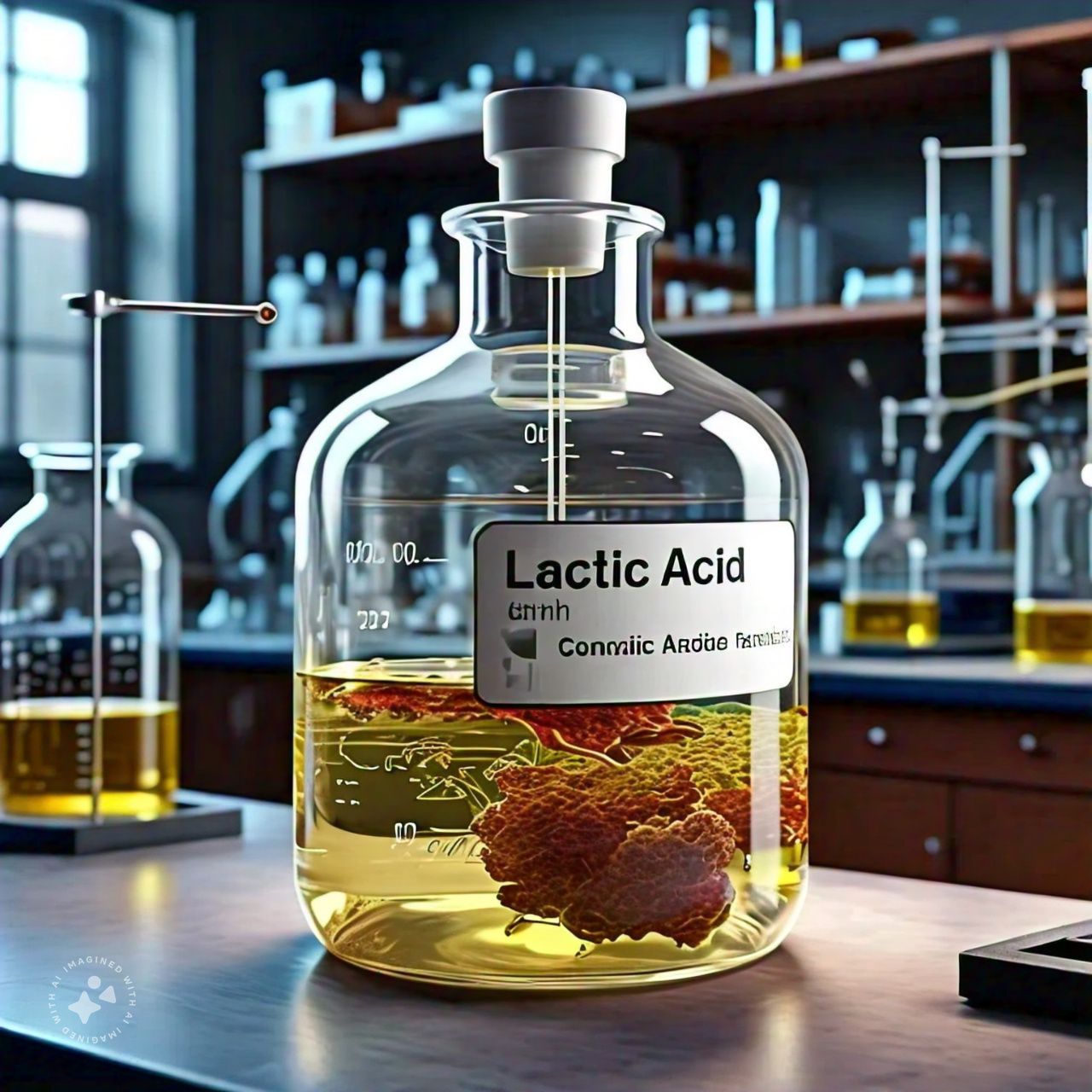
Tell us about your requirement

Price:
Quantity
Select Unit
- 50
- 100
- 200
- 250
- 500
- 1000+
Additional detail
Mobile number
Email

More Products in Industrial Chemicals Category
Lauric Acid
Price 136 INR / Kilograms
Minimum Order Quantity : 25 Kilograms
Product Type : Carboxylic Acid
Grade : Industrial Grade
Storage : Other, Store in a cool, dry place, tightly closed packaging, protected from moisture.
Physical Form : Powder
CYCLOPENTASILOXANE CHEMICAL
Price 826 INR / Kilograms
Minimum Order Quantity : 25 Kilograms
Product Type : Silicone Chemical
Grade : Industrial Grade
Storage : Other, Store in a cool, dry place, tightly closed in original container
Physical Form : Liquid
Sodium Tripolyphosphate
Price 60 INR / Kilograms
Minimum Order Quantity : 25 Kilograms
Product Type : Sodium Tripolyphosphate
Grade : Technical Grade
Storage : Room Temperature
Physical Form : Powder
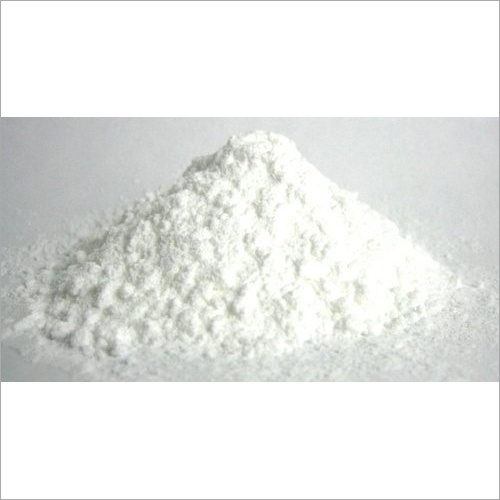
Starch Powder
Price 43 INR / Kilograms
Minimum Order Quantity : 50 Kilograms
Product Type : Starch Powder
Grade : Industrial Grade
Physical Form : Powder

RAVI MARKETING
GST : 24AAIPZ4706C1ZR
GST : 24AAIPZ4706C1ZR
B No. 53, Girivar Glean Industrial Estate, Near-Palm Hotel, Odhav, Ring Road, Ahmedabad - 382415, Gujarat, India
Phone :08045804537

 Send Inquiry
 Send Inquiry
 Send SMS
RAVI MARKETING
All Rights Reserved.(Terms of Use)
Developed and Managed by Infocom Network Private Limited.
Developed and Managed by Infocom Network Private Limited.

